Cold water swimming for beginners: how to start this winter
The best way to start cold water swimming is to begin in autumn, while the water still holds some of its summer warmth, keep your first swims short and never swim alone. Book a supervised session or a coached group for your first few dips, so you learn how your body reacts with someone beside you who knows the signs.
Here's what cold water does to you, the kit worth having, how to build up through the season, and where you can book a supervised swim on eola.
Quick picks
- Open Water Dip at Lisvane and Llanishen, Cardiff: supervised dipping sessions on the reservoir
- Cold Water Dip at Llandegfedd, near Pontypool: staff-supervised dips on a lake with no currents or tides
- Intro to Cold Water Swimming with Joyful Swim Coaching, Wallingford: a talk, a short coached swim and supervised rewarming
- Sea Swim Group with Ace Swimming, Plymouth: coached sea swims with lifeguard cover, for when you have some cold water experience
What cold water does to your body
The first thing you'll notice is cold water shock. As your skin cools, your body reacts with a gasp, fast breathing and a racing heart. It's automatic, and it's the main reason cold water is risky, because a gasp with your face in the water can make you breathe some in.
The good news is that it passes. Get in slowly, keep your face out of the water and breathe out long and slow until your breathing settles. The RNLI's Float to Live advice is worth learning before you go: if you get into trouble, lean back, spread your arms and legs and float until you have your breath back. You'll find it with the rest of their water safety guidance at rnli.org.
Your body also gets used to the cold over time, which is why autumn is a good time to start. Swimming regularly as the water cools gives you weeks to adapt, while a first swim in January gives you none. Even well-acclimatised swimmers keep their winter swims short.
Two more things to know. Your body keeps cooling for a while after you get out, which swimmers call the afterdrop, so get dressed quickly and warm up gently. And if you have a heart condition, high blood pressure or any other health worries, check with your GP before you start. The Outdoor Swimming Society has a helpful set of cold water guides if you'd like to read more.
What to wear for cold water swimming
You don't need much kit to start, and a wetsuit is a sensible choice for your first season.
- Wetsuit: a swimming wetsuit keeps you warmer and adds buoyancy, which is reassuring while you find your feet.
- Swim hat: a bright silicone or neoprene hat keeps heat in and makes you easy to spot.
- Gloves and socks: neoprene gloves and boots make a big difference as the water cools, because hands and feet get cold first.
- Tow float: a bright inflatable float clipped to your waist. It makes you visible and gives you something to hold if you need a rest.
- Changing robe and warm layers: lay your clothes out in the order you'll put them on, with a hat, gloves and a hot drink ready for afterwards.
How to build up
Start with short dips. For your first few sessions, get in slowly, settle your breathing, swim a few strokes and get out while you still feel good. Add a little time each week if you're enjoying it, and get out straight away if you feel numb, clumsy or start shivering hard.
Little and often works best. Once or twice a week through autumn will do more for you than the odd long swim. Always swim with other people, ideally at a venue with lifeguards or with a coach, and tell someone on land when you're going in and when you expect to be out.
Supervised venues set their own time limits based on the water temperature on the day, which takes the guesswork out of it while you're new.
Cardiff and South Wales: Lisvane and Llanishen, and Llandegfedd
Lisvane and Llanishen reservoirs in Cardiff are open all year, with a visitor centre, café and walking trails alongside the watersports. Their Open Water Dip sessions are supervised by qualified staff, and time in the water is capped according to the water temperature. You'll need to complete a short online induction and knowledge test before your first session. The minimum age is 12, and younger teens need an adult with them.
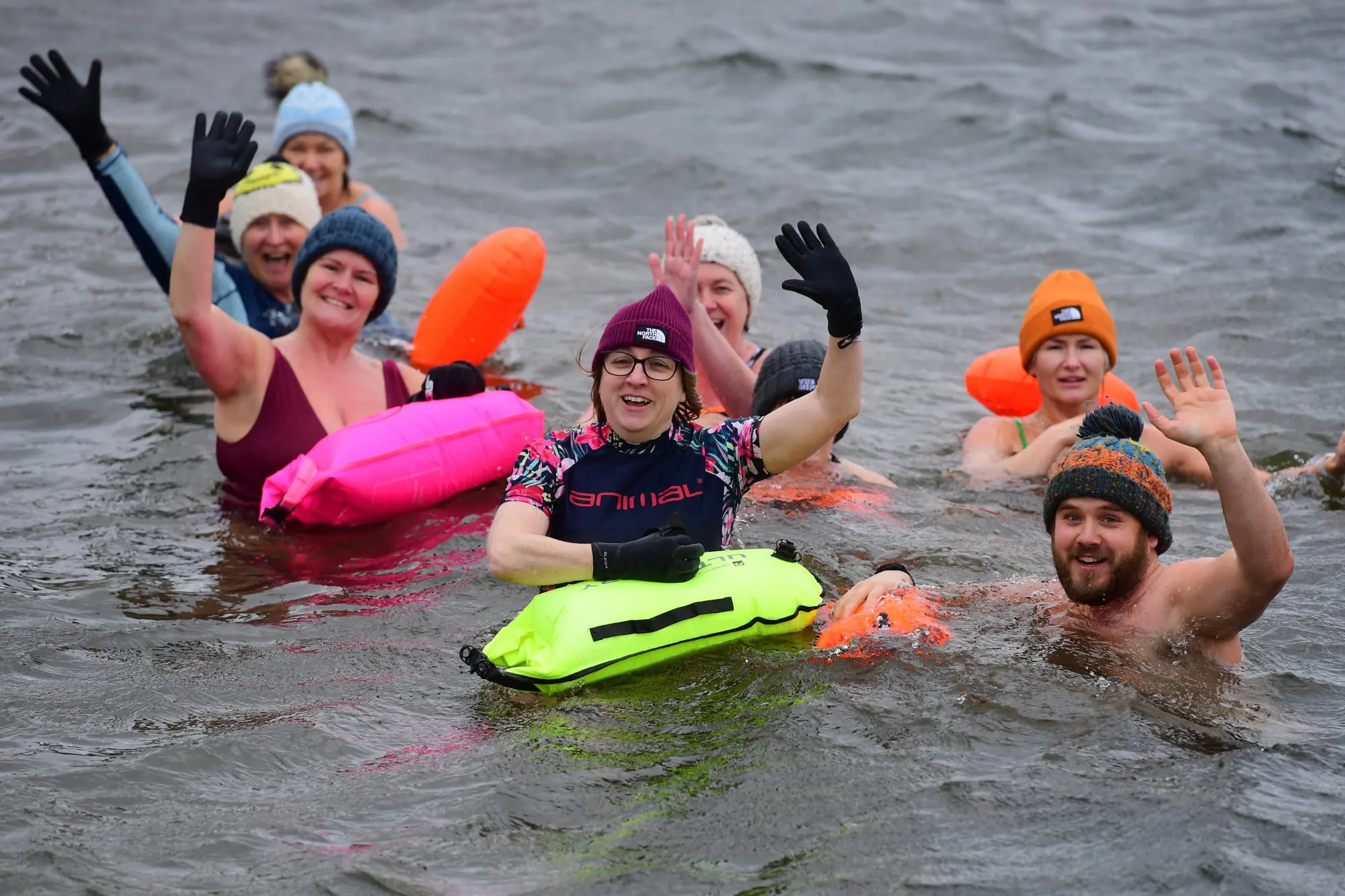
Photo: Lisvane and Llanishen Visitor Centre
Close to Cardiff and Newport, Llandegfedd near Pontypool runs supervised Cold Water Dip sessions on a lake with no currents or tides. As at Lisvane, there's an online induction to complete first and time limits that change with the conditions. If you're making a day of it, our guide to watersports in Cardiff has more ideas.
Oxfordshire: Joyful Swim Coaching
Jo from Joyful Swim Coaching is a Swim England open water coach and qualified open water lifeguard who has swum the English Channel solo. Her Intro to Cold Water Swimming at Queenford Lake in Wallingford is made for new winter swimmers. It starts with a talk in the clubhouse on the benefits, risks and preparation, then a short swim with Jo coaching you through your body's reactions, then supervised rewarming. Groups are small, and she covers how to change quickly and deal with the afterdrop.
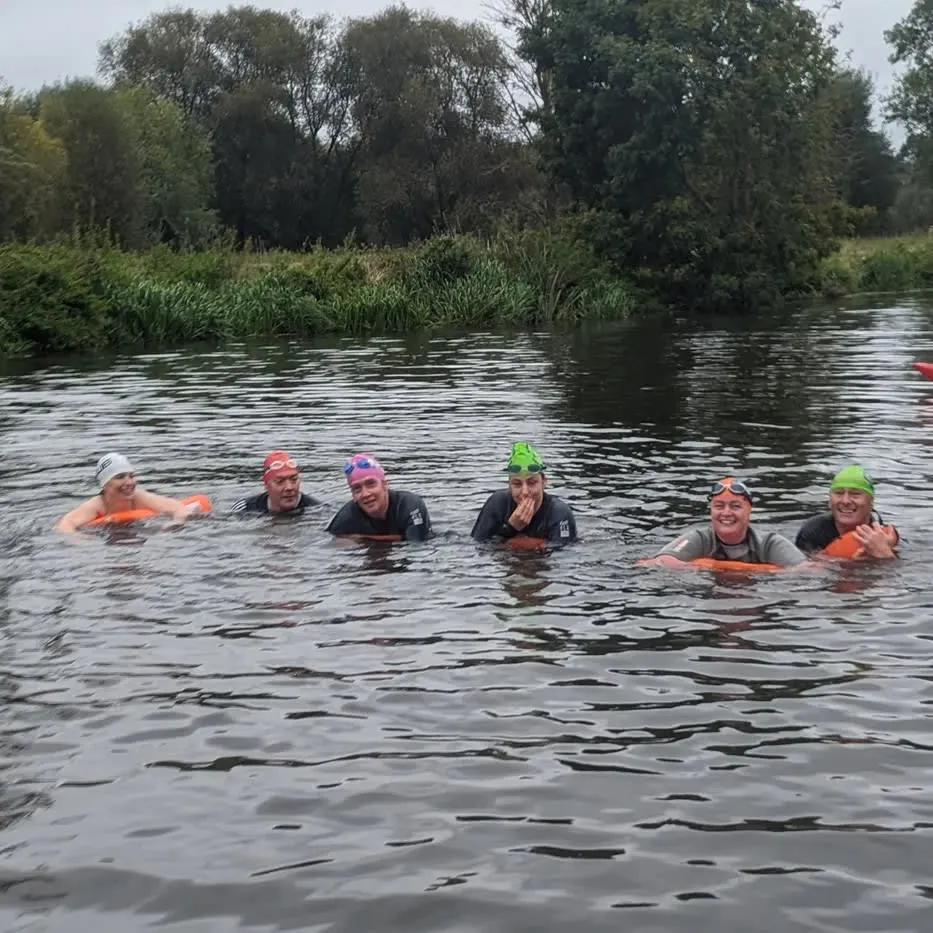
Photo: Joyful Swim Coaching
Jo also coaches in the River Thames near Pangbourne. See more swimming and outdoor ideas in Oxfordshire.
Plymouth and South Devon: Ace Swimming and Wild Swim Devon
Once you have a few dips behind you, the sea is the natural next step. Ace Swimming's Sea Swim Group meets by the tidal pool at Devil's Point for coached swims in Firestone Bay, with a qualified lifeguard on safety cover. It's a mixed-ability group, from dippers to Channel swimmers, aimed at people who already have some sea or cold water experience. Find more things to do in Plymouth.
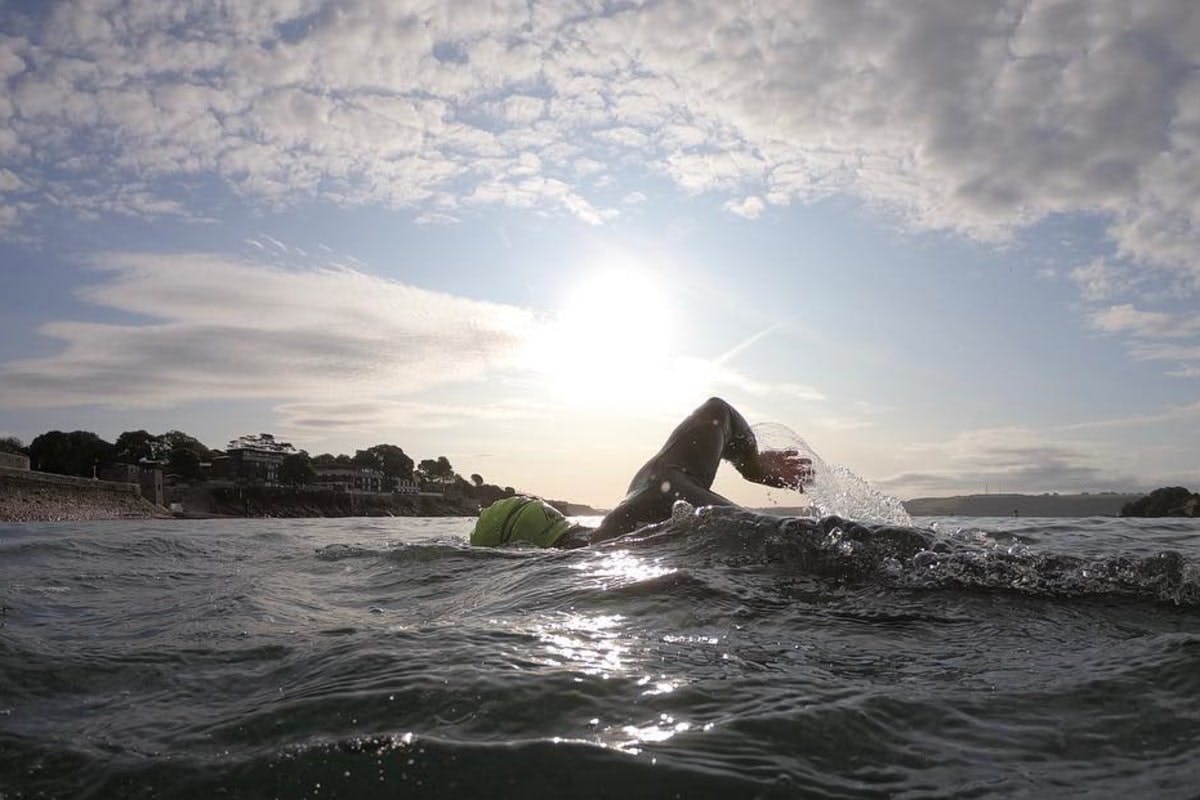
Photo: Ace Swimming
Further east near Kingsbridge, Wild Swim Devon runs a Sunday Swim Club that covers the practical knowledge you need to swim safely in the sea, along with front crawl technique to help you swim further. See what else is on around Kingsbridge.
Liverpool: Queens Dock
If you're already a confident swimmer, Liverpool Watersports Centre has open water swimming in Queens Dock on the waterfront, with changing rooms, lockers and showers. The drop-in swims are for over-18s who can swim at least 1,000 metres, a tow float must be worn at all times, and they only run while the water is above a set temperature, so check the listing as the season cools.
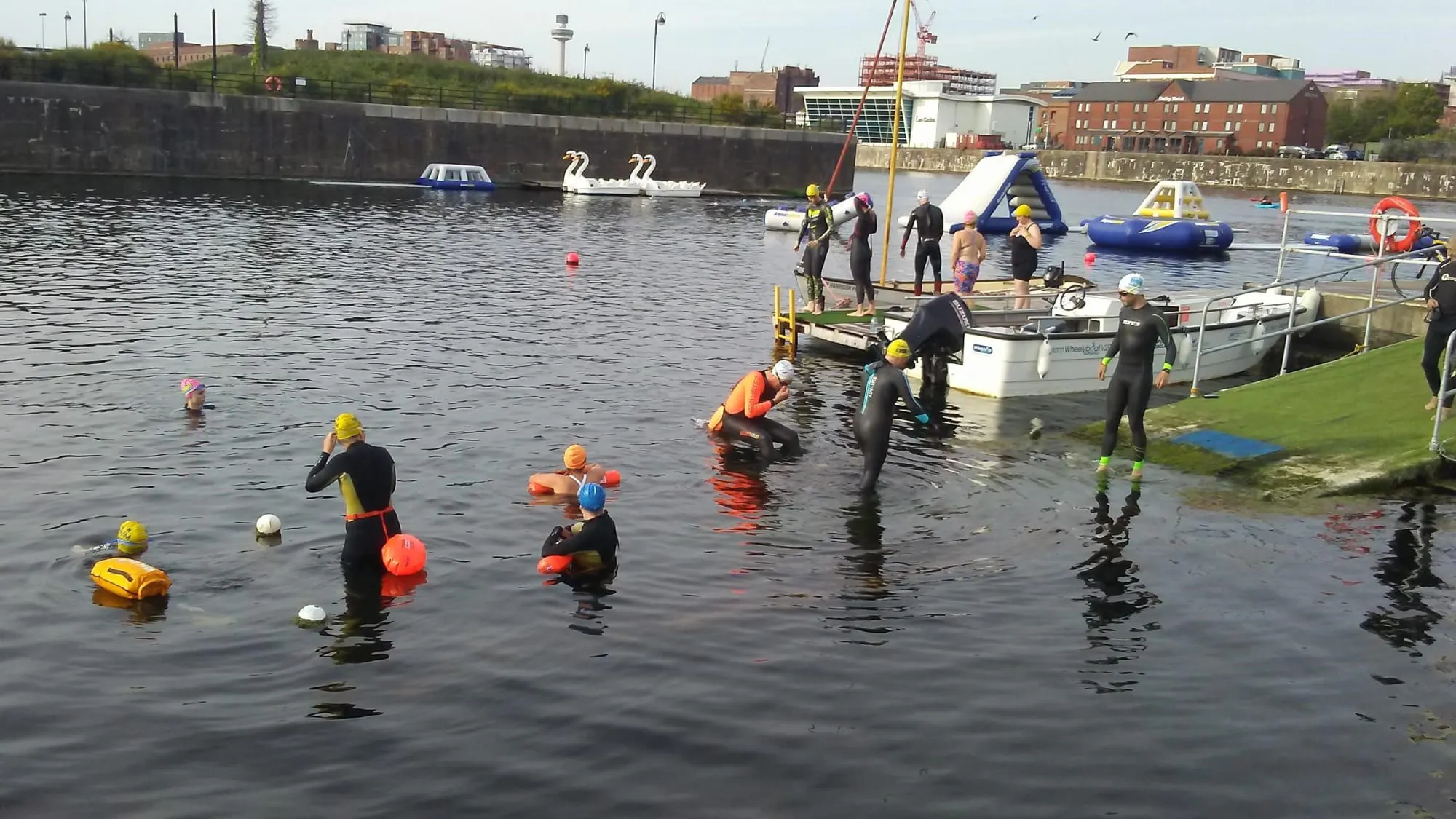
Photo: Liverpool Watersports Centre
Cold water swimming FAQs
Is cold water swimming safe for beginners?
It can be, if you start gradually, swim with other people and choose a supervised venue or a coach for your first sessions. The biggest risk is cold water shock in the first moments, so get in slowly and control your breathing. Check with your GP first if you have a heart condition or other health concerns.
How long should you stay in cold water?
There's no single rule, because it depends on the water, the weather and how used to the cold you are. As a beginner, keep it to a few minutes and get out while you still feel in control. Supervised venues set a time limit for each session based on the water temperature.
Do you need a wetsuit for cold water swimming?
You don't have to wear one, but it helps. A wetsuit keeps you warmer for longer and adds buoyancy, which is reassuring when you're starting out. Plenty of regular winter swimmers swim in a costume with a hat, gloves and socks, after building up to it over time.
Keep reading: our pick of the UK's best open water swimming spots, where to go wild swimming near London, and our guide to paddleboarding in autumn and winter.
Find your next cold-water adventure on eola
From supervised dips and sea swim groups to guided paddles and winter coasteering, you can find and book outdoor activities across the UK on the eola marketplace.