Why your activity business should start a blog
People research activities online long before they book. They search for things like “paddleboarding near me”, “what to wear for coasteering” or “is gorge walking OK for children”. A blog lets your business be the one that answers, and then takes the booking.
Here’s why a blog is worth the time for an activity business, and why the quieter months are a good time to start. When you’re ready to write, our guide to writing blog posts for an activity business covers the how.

More bookings from search
Google shows the pages that best answer what people search for. Your home page and activity pages can only cover a handful of searches. Each blog post is another page that can turn up for a different question, such as the best beginner surf spots near you or what a family kayak trip involves.
Blog posts also last. A social post is gone from people’s feeds in a day or two, but a useful blog post can keep bringing visitors to your website for years. Check it once a season, update anything that has changed and it keeps working.
Answer the questions customers already ask
Your team answers the same questions every week, on the phone, by email and at the front desk. Each one is a blog post waiting to be written:
- What should I wear, and what do I need to bring?
- Is it suitable for children, beginners or non-swimmers?
- What happens if the weather is bad?
- Where do I park, and how early should I arrive?
A post that answers these well saves your team time. Customers who know what to expect are more likely to book, and more likely to turn up ready.
Show people who you are
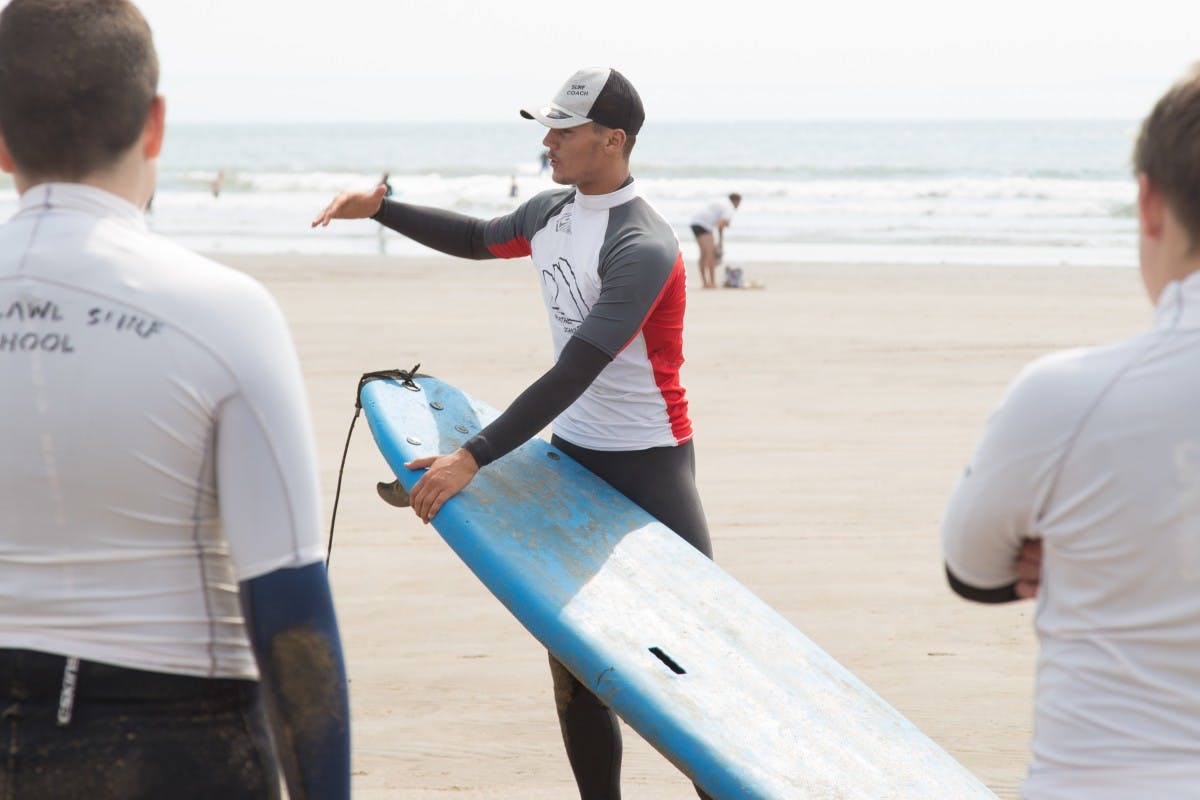
A booking page tells people what you sell. A blog shows them who they’ll spend the day with. Introduce your instructors, tell the story of how you started, and write about the places you work: your stretch of river, your local crag, your beach. People book with businesses they feel they know.
Inspire people to give it a go
Many of your future customers haven’t tried your activity yet. Tell them why it’s fun, what the first session feels like and what they’ll get out of it. Posts like “5 reasons to try winter surfing” or “The health benefits of paddleboarding” reach people who are curious but not yet looking for somewhere to book.
Turn readers into bookings
Every post should make booking easy. Add a clear link to your booking page near the top and again at the end, with plain wording like “Book a session” or “See available dates”. Readers who have just found out what a session is like are ready for that next step.
Give your social media something to share
Each blog post gives you several social posts: a photo with a tip, a short video, a link to the full article. Followers who want more detail click through to your website, where they can book. Our guide to using social media to get more bookings has more ideas.
Why the off-season is a good time to start
In peak season there’s no time to write. The quieter months are different: you have time to plan and write properly, and new posts often take a while to show up in search results. Posts written in autumn and winter are in place by the time people start planning their spring and summer trips.
It’s also when people are dreaming about next season and buying presents. A post about what’s coming next year, with a link to your gift vouchers, gives readers who aren’t ready to pick a date something to buy now. Our guide to selling more vouchers has tips.
Start small. Write three or four posts that answer your most common questions, then aim for one or two a month after that.
Ready to write?
Our guide to writing blog posts for an activity business covers planning, the main types of post and how to link every post to your booking widget. For photos that make people want to book, read how to use images to inspire and engage.
See eola in action
Want to see how this could work for your business? Book a demo or get in touch with our team.